Author: adnsunriselimited@gmail.com

  • Why Source Products from India? Key Advantages for International Importers

    Why Source Products from India? Key Advantages for International Importers

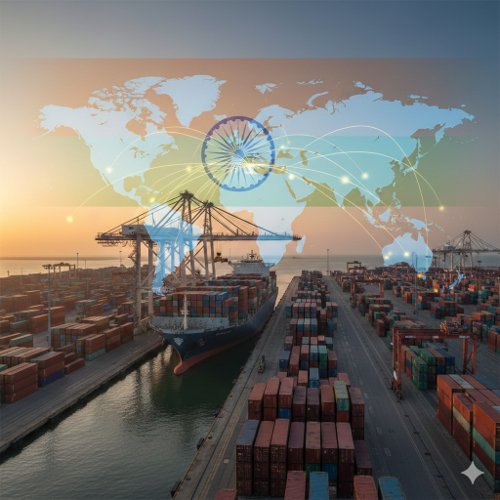
    India has emerged as one of the world’s most dynamic sourcing destinations. From agro commodities and textiles to engineering goods and consumer products, the country offers a wide spectrum of export opportunities for international buyers.

    For importers looking to diversify supply chains, improve cost efficiency, or access high-quality manufacturing, India presents several strategic advantages.

    Competitive Manufacturing Costs

    India offers cost-effective production without compromising on quality. Competitive labor costs, large-scale manufacturing clusters, and strong supplier networks allow importers to source products at globally competitive prices.

    For businesses aiming to improve margins while maintaining quality standards, India remains a strong sourcing option.

    Diverse Product Range

    Few countries match India’s product diversity. Importers can source:

    • Agro commodities and spices
    • Textiles and garments
    • Industrial machinery and equipment
    • Metal and alloy products
    • FMCG and consumer goods
    • Handicrafts and home décor
    • Construction materials

    This diversity enables buyers to consolidate sourcing across multiple categories within one country.

    Strong Manufacturing Ecosystem

    India has well-established manufacturing hubs across various states. Cities like Noida, Mumbai, Ahmedabad, Coimbatore, Surat, and Ludhiana specialize in different product sectors.

    These regional clusters provide:

    • Skilled workforce
    • Specialized production capabilities
    • Scalable manufacturing capacity
    • Established supply chains

    This makes production more reliable and efficient for global buyers.

    English-Speaking Business Environment

    Communication is critical in international trade. India’s strong English-speaking business environment simplifies negotiations, documentation, and coordination for international importers.

    Clear communication reduces misunderstandings, delays, and compliance risks.

    Established Export Infrastructure

    India has:

    • Major international seaports and airports
    • Digitized customs systems
    • Standardized export documentation processes
    • Experienced freight and logistics networks

    This infrastructure supports smooth export execution to markets worldwide.

    Growing Focus on Quality & Compliance

    Indian manufacturers increasingly align with international standards and certifications. Many suppliers operate under globally recognized compliance systems, ensuring products meet international regulatory requirements.

    Importers can work with suppliers who understand quality audits, documentation standards, and export compliance expectations.

    Flexible Production & Customization

    Indian manufacturers are known for flexibility. Whether it is customized specifications, private labeling, bulk production, or niche product development, suppliers often accommodate buyer requirements efficiently.

    This flexibility is especially valuable for importers launching new brands or expanding product lines.

    Strategic Supply Chain Diversification

    In today’s global environment, businesses are actively diversifying supply chains. Sourcing from India allows importers to reduce dependency on a single country and create a more resilient procurement strategy.

    India offers scale, reliability, and growing global trade integration.

    So, for international buyers seeking competitive pricing, product diversity, manufacturing flexibility, and structured export processes, India continues to be a strong sourcing destination.

    By partnering with reliable export coordinators and verified manufacturers, importers can build long-term, stable trade relationships and confidently source products from India for global markets.
  • How to Import Products from India: A Step-by-Step Guide for International Buyers

    How to Import Products from India: A Step-by-Step Guide for International Buyers

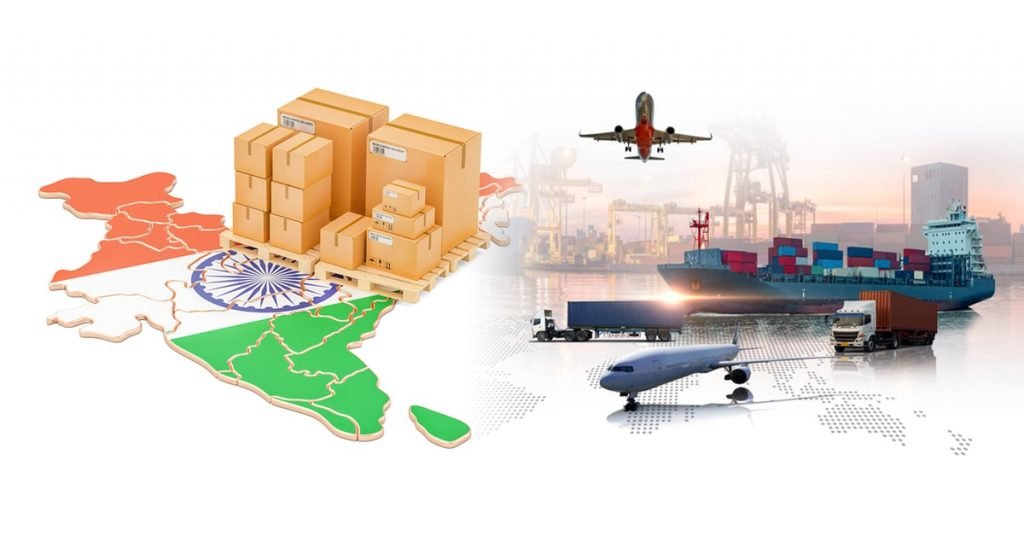
    India has become one of the world’s leading sourcing destinations for international importers. From agricultural goods and textiles to industrial components and manufactured products, India offers competitive pricing, skilled production capacity, and diverse product categories.

    However, importing from India requires proper planning, documentation, and supplier coordination. This guide explains the complete process international buyers should follow to import products from India safely and efficiently.

    Step 1: Identify the Right Product and Market Demand

    Before approaching suppliers, importers should clearly define:

    • Product specifications
    • Quality standards
    • Packaging requirements
    • Target pricing
    • Expected order quantity

    Understanding your market demand and compliance requirements in your country is essential. Certain products may require specific certifications or labeling before import.

    Clarity at this stage prevents costly misunderstandings later.

    Step 2: Find Reliable Suppliers in India

    Finding the right supplier is one of the most critical steps in the import process.

    Importers should:

    • Verify the supplier’s business registration
    • Review production capacity
    • Request product samples
    • Clarify minimum order quantity (MOQ)
    • Confirm payment terms

    You may choose to deal directly with a manufacturer or work with an export coordination company that manages supplier communication and documentation.

    Working with a structured export partner often reduces risk, especially for first-time importers.

    Step 3: Understand Payment Terms

    International trade commonly uses the following payment methods:

    • Advance Payment
    • Letter of Credit (LC)
    • Documents Against Payment (DAP)
    • Telegraphic Transfer (TT)

    Each payment method carries different risk levels for buyer and seller. Importers should choose a method that balances security and flexibility.

    Clear agreement on payment terms should be finalized before production begins.

    Step 4: Review Export Documentation

    Proper documentation is essential to ensure smooth customs clearance in your country.

    Key documents you will typically receive include:

    • Commercial Invoice
    • Packing List
    • Bill of Lading (for sea shipments)
    • Airway Bill (for air shipments)
    • Certificate of Origin
    • Insurance documents (if applicable)

    Incorrect documentation can cause shipment delays, customs holds, or financial penalties. Importers should review all documents carefully before shipment departure.

    Step 5: Choose the Right Shipping Method

    Importers generally choose between:

    Sea Freight

    • Lower cost for bulk shipments
    • Suitable for heavy or large cargo
    • Longer transit time

    Air Freight

    • Faster delivery
    • Higher cost
    • Suitable for urgent or lightweight shipments

    The choice depends on your budget, urgency, and product type.

    Step 6: Customs Clearance in Your Country

    Once the shipment arrives:

    • Your customs broker will process documentation
    • Duties and taxes will be assessed
    • Clearance approval will be granted

    It is important to understand your country’s import regulations before placing the order.

    Step 7: Risk Management Tips for Importers

    To reduce risk when importing from India:

    • Always approve product samples
    • Confirm specifications in writing
    • Clarify packaging and labeling requirements
    • Ensure inspection before shipment
    • Work with reliable export coordinators

    Strong communication and structured coordination are key to successful international trade.

    How ADN Sunrise Supports International Importers

    ADN Sunrise works with international buyers to coordinate smooth exports from India.

    We assist with:

    • Supplier coordination
    • Documentation preparation
    • Shipment communication
    • Structured export process management

    Our focus is simple: reliable exports, clear communication, and transparent coordination from India to your destination market.

    Importing products from India offers strong commercial opportunity, but success depends on preparation, supplier reliability, and correct documentation.

    By following a structured process and working with dependable partners, international buyers can build long-term, profitable trade relationships with Indian suppliers.

    If you are exploring sourcing from India, ADN Sunrise is ready to support your import journey.